B5 Mathematics · Term 3, Week 4
Measurement
Lesson notes
Learning Objectives
Indicator: B5.3.2.1.3 - Calculate surface area of given shapes in centimetres and metres.
By the end of the lesson, learners can:
- Recount that surface area is the total amount of space covering the outside of a 2-D shape, measured in square units such as cm² and m².
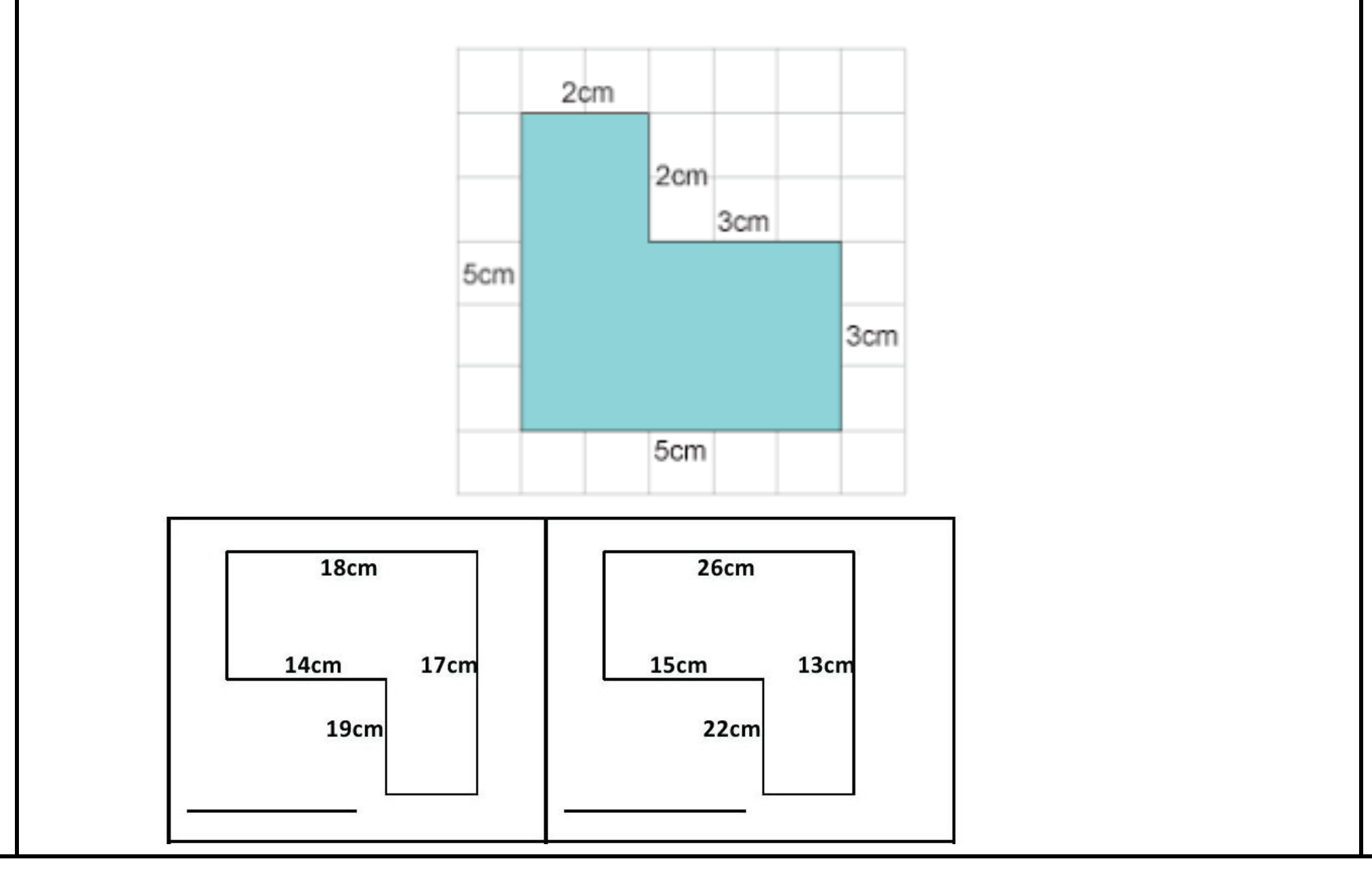
- Split a compound 2-D shape (an L-shape or T-shape) into two or more rectangles using given dimensions.
- Calculate the area of each rectangle using length × width and add the areas to find the total surface area in cm².
- Solve word problems involving surface area of compound shapes given in metres, presenting answers in m².
- Justify their choice of how to split a compound shape and verify their final answer by using a different split or by estimating.
Sign in with your phone number to read the full note and download the GES plan - free.
Sign in with phone numberCurriculum details
- Strand
- Geometry and Measurement (Strand 3)
- Sub-strand
- Measurement (3.2)
- Content standard
- B5.3.2.1 - Estimate and measure perimeter and surface area of 2-D shapes using centimetre and metre
- Indicator
- B5.3.2.1.3 - Calculate surface area of given shapes in centimetres and metres.
- Suggested placement
-
Term 3, Week 4
(Week 28 of the year)
Our suggestion, laid out in curriculum order across three terms of twelve weeks. NaCCA does not fix the week, so follow your school's scheme of learning.
- Curriculum reference
-
Mathematics Curriculum for Primary Schools (Basic 4-6), 2019, p. 99
Transcribed from the official NaCCA publication. Check this page against the source.
Exemplars (from the NaCCA curriculum)
E.g. 1 Give learners compound 2D shapes that can be spilt to many rectangles with given dimensions to find the surface area by adding areas of the various rectangles