B5 Mathematics · Term 3, Week 3
Measurement
Lesson notes
Learning Objectives
Indicator: B5.3.2.1.1
By the end of the lesson, learners can:
- Identify and use personal referents (thumb width, hand span, pace step) to estimate the perimeter of 2-D objects in the classroom.
- Measure the sides of rectangular and square objects using a ruler or tape measure in centimetres and metres, recording lengths accurately.
- Calculate the actual perimeter of objects by adding the lengths of all sides.
- Compare estimated perimeters with actual measured perimeters, and explain any differences using the language of “overestimate” and “underestimate”.
- Justify the choice of referent (centimetre vs metre) based on the size of the object being measured.
Sign in with your phone number to read the full note and download the GES plan - free.
Sign in with phone numberCurriculum details
- Strand
- Geometry and Measurement (Strand 3)
- Sub-strand
- Measurement (3.2)
- Content standard
- B5.3.2.1 - Estimate and measure perimeter and surface area of 2-D shapes using centimetre and metre
- Indicator
- B5.3.2.1.1 - Estimate perimeter using referents for centimetre and metre, and calculate the actual perimeter and compare.
- Suggested placement
-
Term 3, Week 3
(Week 27 of the year)
Our suggestion, laid out in curriculum order across three terms of twelve weeks. NaCCA does not fix the week, so follow your school's scheme of learning.
- Curriculum reference
-
Mathematics Curriculum for Primary Schools (Basic 4-6), 2019, p. 97
Transcribed from the official NaCCA publication. Check this page against the source.
Exemplars (from the NaCCA curriculum)
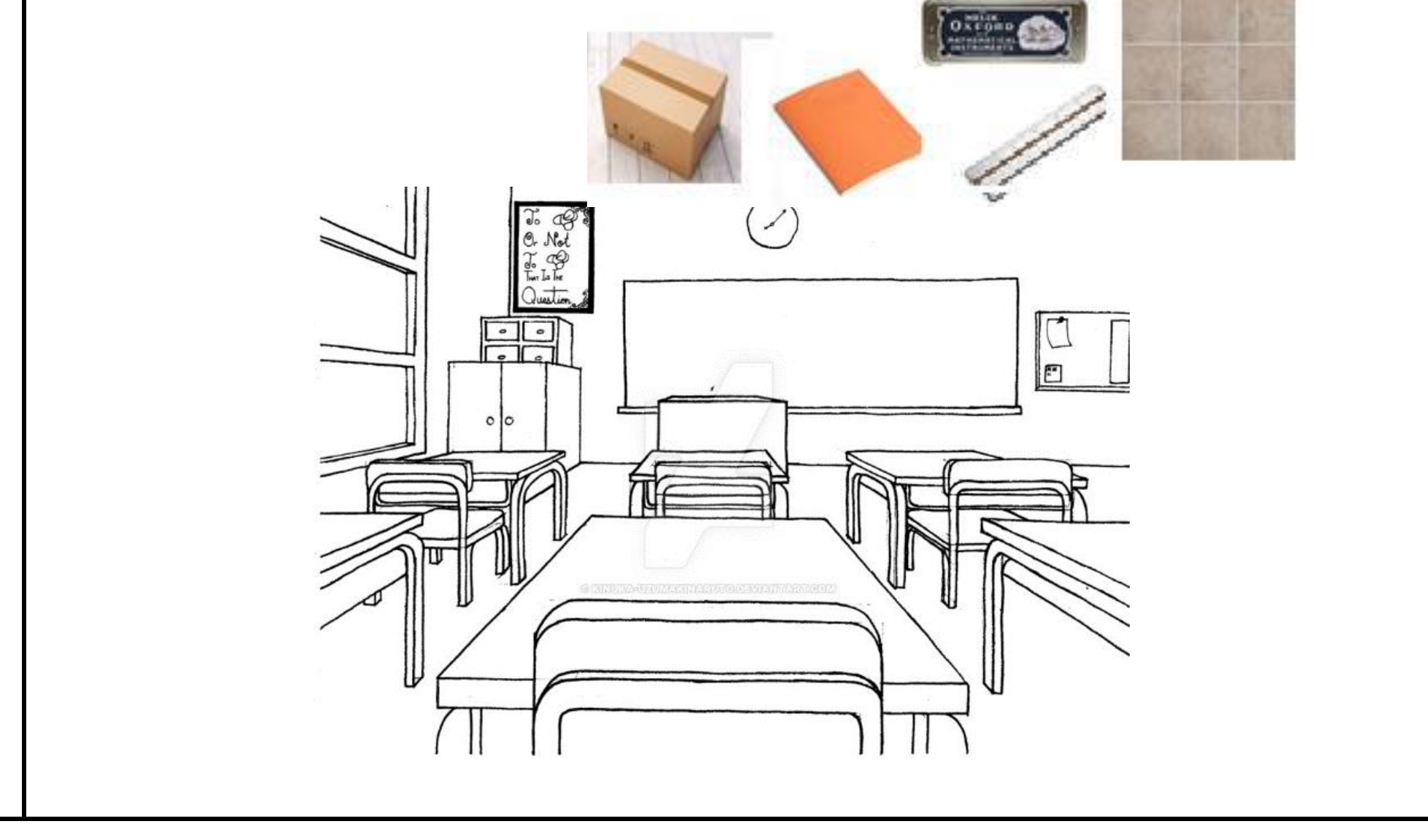
E.g. 1 Using pupils' referents for centimetre (hand span and thumb width) or metre (two strides or pace steps) estimate and calculate perimeter of any object in the classroom (e.g. exercise book, floor tiles, math set, teacher's table, classroom floor, etc.) then measure with a ruler of tape and calculate the actual perimeter and compare the answers.