B5 Mathematics · Term 2, Week 7
Patterns and Relationships
Lesson notes
Learning Objectives
Indicator: B5.2.1.1.1 - Extend a given pattern with and without concrete materials, and explain how each element differs from the preceding one.
By the end of the lesson, learners can:
- identify the rule in a given pattern by comparing each element with the one before it
- extend a given pattern by at least three more elements using the identified rule
- use concrete materials such as counters, bottle tops or seeds to build and extend a given pattern
- explain orally and in writing how each new element in a pattern differs from the preceding one
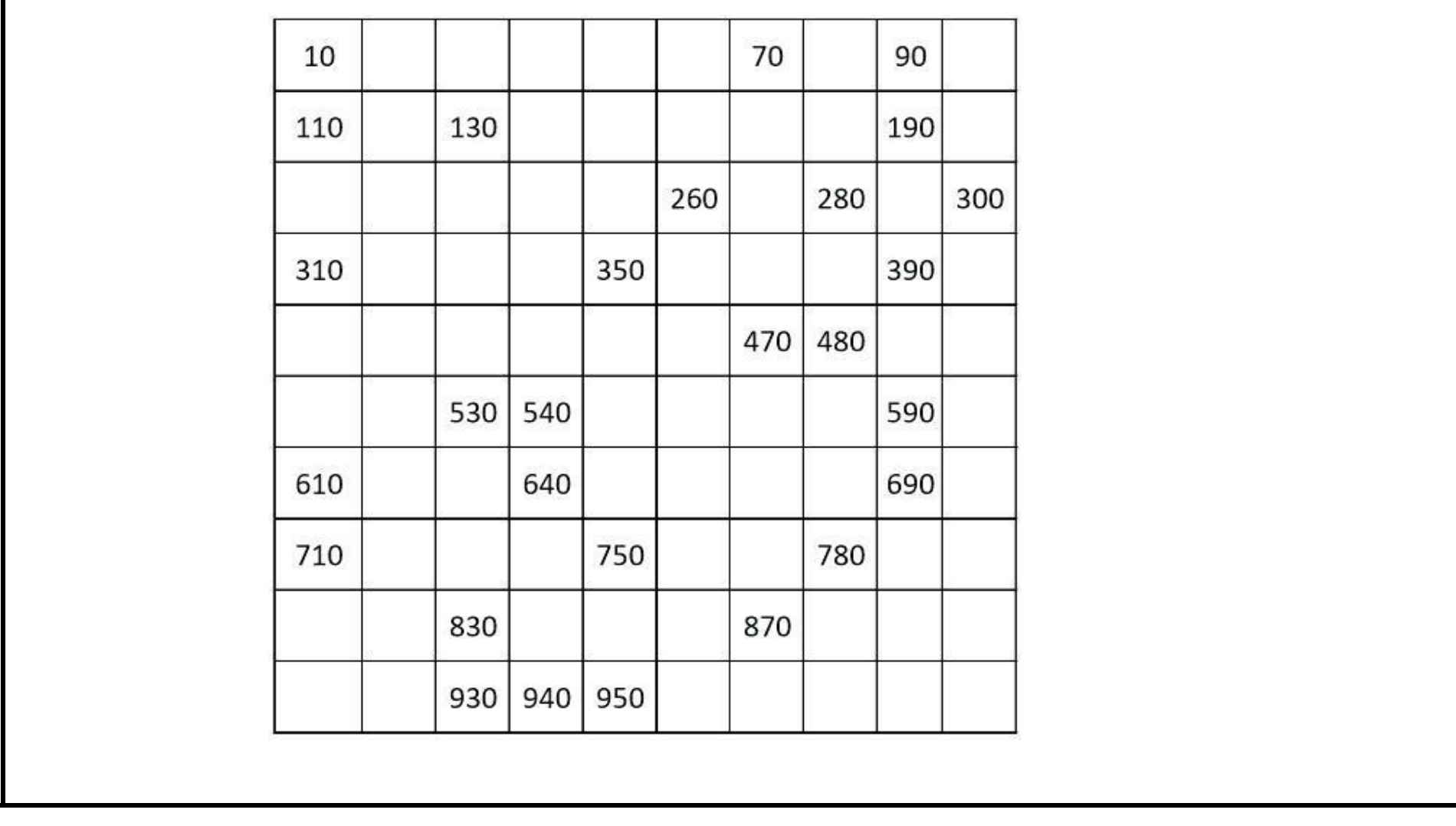
- find missing numbers in a number sequence by skip counting in multiples of 20, 50 and 500
Sign in with your phone number to read the full note and download the GES plan - free.
Sign in with phone numberCurriculum details
- Strand
- Algebra (Strand 2)
- Sub-strand
- Patterns and Relationships (2.1)
- Content standard
- B5.2.1.1 - Determine the pattern rule to make predictions about subsequent elements.
- Indicator
- B5.2.1.1.1 - Extend a given pattern with and without concrete materials, and explain how each element differs from the preceding one
- Suggested placement
-
Term 2, Week 7
(Week 19 of the year)
Our suggestion, laid out in curriculum order across three terms of twelve weeks. NaCCA does not fix the week, so follow your school's scheme of learning.
- Curriculum reference
-
Mathematics Curriculum for Primary Schools (Basic 4-6), 2019, p. 84
Transcribed from the official NaCCA publication. Check this page against the source.
Exemplars (from the NaCCA curriculum)
E.g. 1 Skip count in multiples of 20, 50, 500, etc. is one way to introduce patterns.
E.g. 2 Provide students with a thousand number chart or number line with missing numbers and help use the strategy of skip counting to find missing numbers