JHS1 Mathematics · Term 2, Week 9
Shape and Space
Lesson notes
Learning Objectives
Indicator: B7.3.1.1.1 - Measure and classify angles according to their measured sizes - right, acute, obtuse and reflex.
By the end of the lesson, learners can:
- Identify the four types of angles (right, acute, obtuse, and reflex) and state the range of degrees for each type.
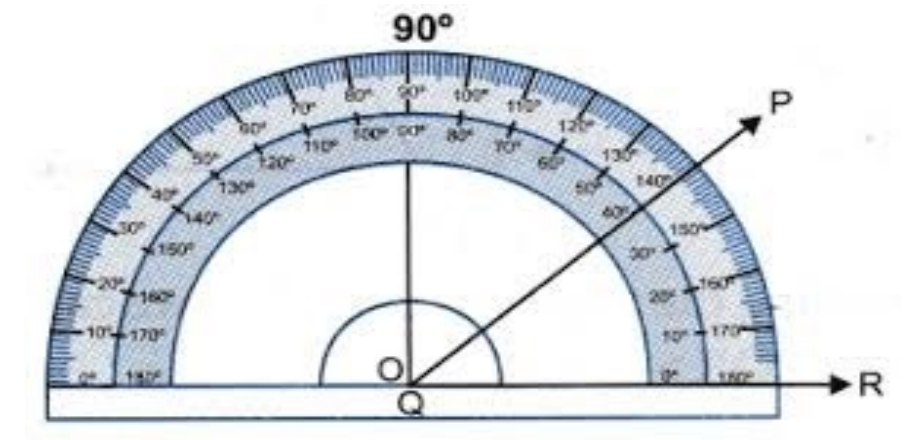
- Use a protractor accurately to measure given angles to the nearest degree.
- Use a protractor to draw angles of given sizes, including 30°, 45°, 60°, 90°, 120°, 150°, 270° and 300°.
- Sort and classify a set of measured angles into the correct categories and justify each classification.
- Estimate the size of an angle before measuring it, then check the estimate against the actual measurement.
Sign in with your phone number to read the full note and download the GES plan - free.
Sign in with phone numberCurriculum details
- Strand
- Geometry and Measurement (Strand 3)
- Sub-strand
- Shape and Space (3.1)
- Content standard
- B7.3.1.1 - Demonstrate understanding of angles including adjacent, vertically opposite, complementary, supplementary and use them to solve problems.
- Indicator
- B7.3.1.1.1 - Measure and classify angles according to their measured sizes - right, acute, obtuse and reflex.
- Suggested placement
-
Term 2, Week 9
(Week 21 of the year)
Our suggestion, laid out in curriculum order across three terms of twelve weeks. NaCCA does not fix the week, so follow your school's scheme of learning.
- Curriculum reference
-
Mathematics, Common Core Programme (JHS1-JHS3), 2023, p. 47
Transcribed from the official NaCCA publication. Check this page against the source.
Exemplars (from the NaCCA curriculum)
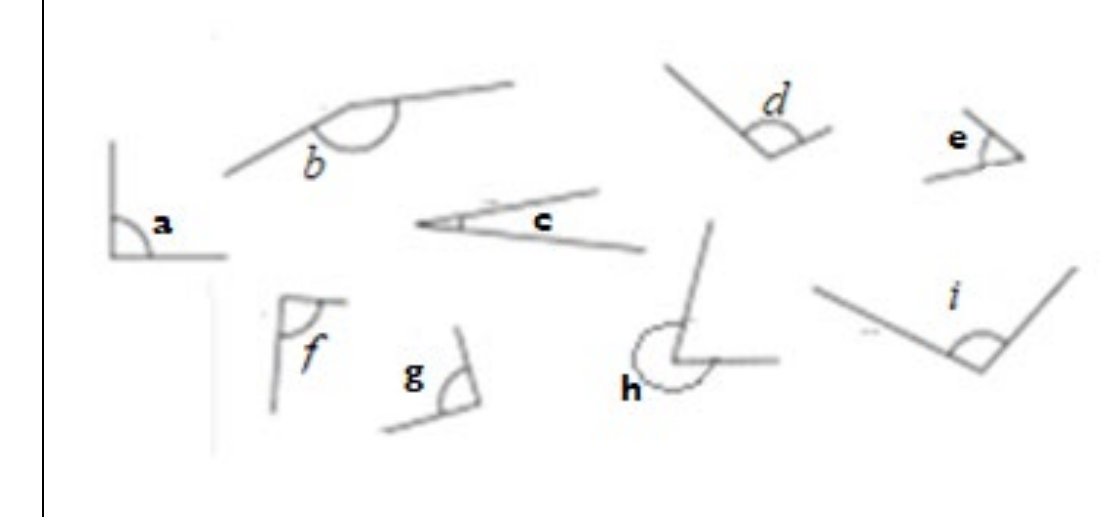
E.g. 1 Sort angles into those which are right, acute, obtuse or reflex angles from photocopied worksheets with several angles to measure. (Note: angles are not drawn to scale)
E.g. 2 Use a protractor to draw angles such as 30 o , 45 o , 60 o , 75 o , 90 o , 120 o , 150 o , 270 o , 300 o , etc.