JHS2 Arabic · Term 3, Week 5
Writing and Calligraphy (Al-Khatt)
Lesson notes
Learning Objectives
Indicator: B8.4.1.1.1 - Identify the types of Arabic fonts found in different written texts.
By the end of the lesson, learners can:
- State the names of at least three significant types of Arabic fonts: An-Naskh, Ar-Ruq’a, and Al-Kufi.
- Identify the distinguishing visual features of An-Naskh, Ar-Ruq’a, and Al-Kufi fonts when presented with written samples.
- Sort given Arabic letter samples into their correct font categories (Naskh, Ruq’a, or Kufi).
- Compare the same Arabic letter written in Naskh and Ruq’a forms and describe at least two differences.
- Copy given Arabic letters and short phrases in the Naskh and Ruq’a font forms with attention to the shape of each letter.
Sign in with your phone number to read the full note and download the GES plan - free.
Sign in with phone numberCurriculum details
- Strand
- Writing (Strand 4)
- Sub-strand
- Writing and Calligraphy (Al-Khatt) (4.1)
- Content standard
- B8.4.1.1 - Learner demonstrates ability to write various Arabic fonts.
- Indicator
- B8.4.1.1.1 - Identify the types of Arabic fonts found in different written texts.
- Suggested placement
-
Term 3, Week 5
(Week 29 of the year)
Our suggestion, laid out in curriculum order across three terms of twelve weeks. NaCCA does not fix the week, so follow your school's scheme of learning.
- Curriculum reference
-
Arabic, Common Core Programme (JHS1-JHS3), 2023, p. 67
Transcribed from the official NaCCA publication. Check this page against the source.
Exemplars (from the NaCCA curriculum)
1. State the most significant types of Arabic writings such as the An-Naskh, Ar-Ruq'a and Al-Kufi fonts.
2. Compare and copy given Arabic letters in their different font forms (Nuskha and Ruq'a).
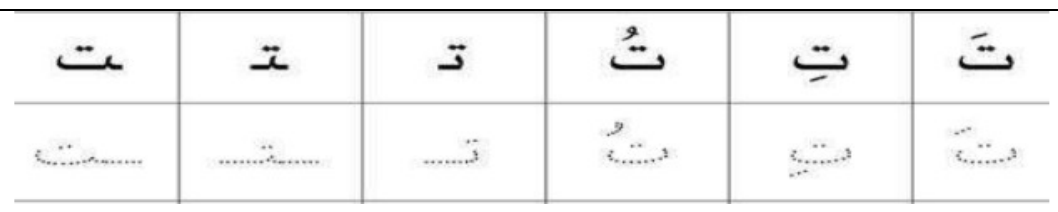

3. Copy the following in the different fonts indicated (Nuskha, Ruq-a, Kufi).

ممممممممممممممممممممممممممممممممممممممممممممممممممممممممممممممممممممممممممممممممممممم

مممممممممممممممممممممممممممممممممممممممممممممممممممممممممممممممممممممممممممممممممم
ممممممممممممممممممممممممممممممممممممممممممممممممممممممممممممممممممممممممممممممممممم
عليه توكلت وإليه أنيب
مممممممممممممممممممممممممممممممممممممممممممممممممممممممممممم

ممممممممممممممممممممممممممممممممممممممممممممممممممممممممممم