B6 Creative Arts · Term 1, Week 2
Thinking and Exploring Ideas
Lesson notes
Learning Objectives
Indicator: B6.1.1.1.3
By the end of the lesson, learners can:
- identify at least three international visual artists whose works reflect the physical or social environments of communities in the world
- describe the type, theme/purpose, materials, and methods used in selected international artworks
- discuss in groups how specific artworks reflect the physical and social environments of the communities where they were created
- compare any two international artworks in terms of type, material, method, finishing, function, and suitability
- present group findings to the class using clear spoken communication and simple visual aids
Sign in with your phone number to read the full note and download the GES plan - free.
Sign in with phone numberCurriculum details
- Strand
- Visual Arts (Strand 1)
- Sub-strand
- Thinking and Exploring Ideas (1.1)
- Content standard
- B6.1.1.1 - Demonstrate understanding of how to generate own ideas for artistic expressions on the people based on their history and culture, the environment and topical local/national/global issues
- Indicator
- B6.1.1.1.3 - Study some artworks created by international visual artists that reflect the physical and social environments of some communities in the world
- Suggested placement
-
Term 1, Week 2
(Week 2 of the year)
Our suggestion, laid out in curriculum order across three terms of twelve weeks. NaCCA does not fix the week, so follow your school's scheme of learning.
- Curriculum reference
-
Creative Arts Curriculum (Basic 4-6), 2019, p. 97
Transcribed from the official NaCCA publication. Check this page against the source.
Exemplars (from the NaCCA curriculum)
Learners are to:
- select the designs and works of any international visual artist that reflect ideas from the physical and social environments of any community in the world;
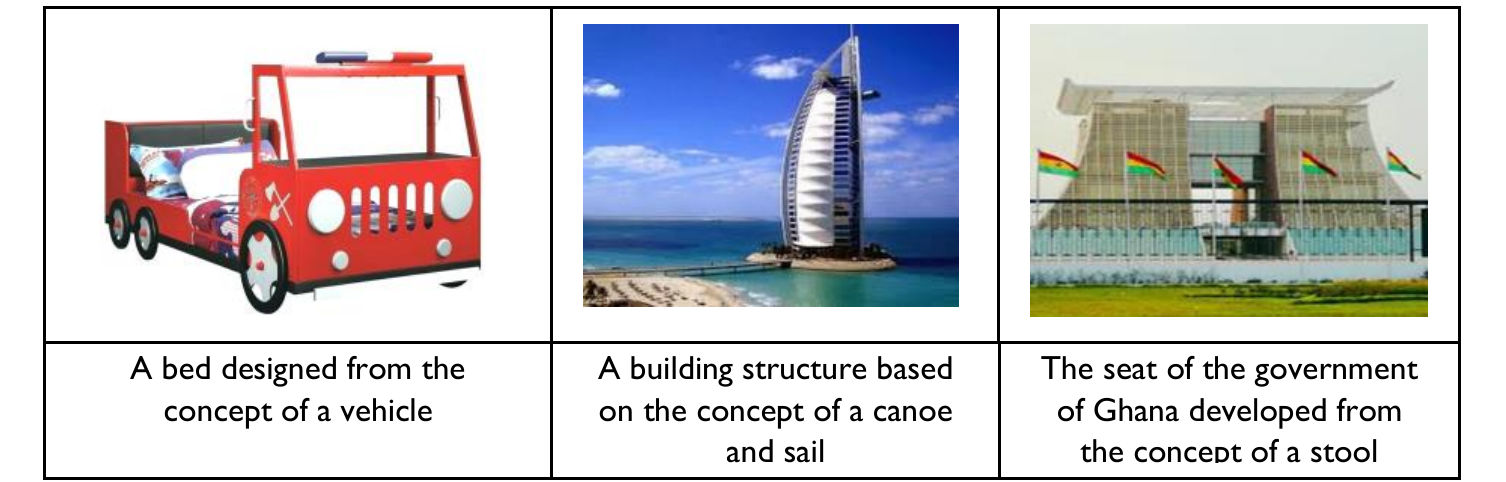
- appreciate: discuss the selected artworks in groups and share findings with the rest of the class while focusing on the type of artwork, theme/purpose, the idea from the physical and social environment that it reflects, materials and methods/approaches used, etc.;
- select and compare any two of the artworks in terms type, material, method, finishing, function and suitability, etc.