JHS3 Creative Arts And Design · Term 1, Week 1
Design in Nature and Manmade Environment
Lesson notes
Learning Objectives
Indicator: B9.1.1.1.1 - Demonstrate understanding of design as a concept by using the elements and principles of design as a medium for creative expression of design in nature and the manmade environment.
By the end of the lesson, learners can:
- Define design as a concept and explain its importance in both nature and the manmade environment in their own words.
- Research and record at least three examples of natural designs that have inspired manmade designs, citing the specific element (form or value) involved in each.
- Compare and contrast one pair of natural and manmade designs, recording at least two similarities and two differences in a simple table.
- Create an original design idea for a building, vehicle, or object inspired by a natural form, using line drawings to show form and value.
- Present and explain their design idea to a small group, justifying how nature influenced their choices.
Sign in with your phone number to read the full note and download the GES plan - free.
Sign in with phone numberCurriculum details
- Strand
- Design (Strand 1)
- Sub-strand
- Design in Nature and Manmade Environment (1.1)
- Content standard
- B9.1.1.1 - Demonstrate understanding of design as a concept in relation to the elements (form, value) and principles (variety, proportion) of design and as a medium for creative expression of design in nature and the manmade environment.
- Indicator
- B9.1.1.1.1 - Demonstrate understanding of design as a concept by using the elements and principles of design as a medium for creative expression of design in nature and the manmade environment.
- Suggested placement
-
Term 1, Week 1
(Week 1 of the year)
Our suggestion, laid out in curriculum order across three terms of twelve weeks. NaCCA does not fix the week, so follow your school's scheme of learning.
- Curriculum reference
-
Creative Arts and Design, Common Core Programme (JHS1-JHS3), 2023, p. 64
Transcribed from the official NaCCA publication. Check this page against the source.
Exemplars (from the NaCCA curriculum)
1. Research to determine and record the meaning, importance and role of design in nature and the manmade environment for reflection and discussion.
2. Explore and reflect on selected natural and manmade designs to appreciate and determine how design in nature has influenced manmade designs to benefit society for appreciation and discussion. Example: form, value
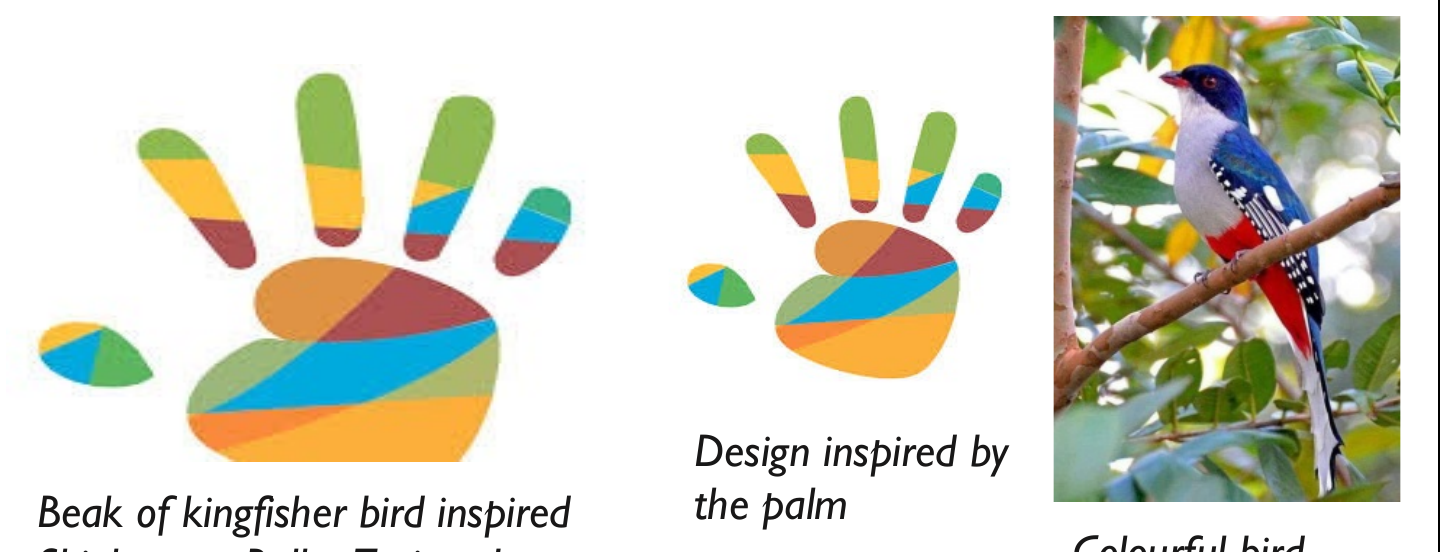
Beak of kingfisher bird inspired Shinkansen Bullet Train - Japan
Design inspired by the palm
Colourful bird
Source: Pinterest.com
3. Compare and contrast selected natural and manmade designs to determine and record their similarities and differences for reflection and inspiration to create and illustrate own design ideas (e.g. rivers/roads, anthills/houses, etc.)
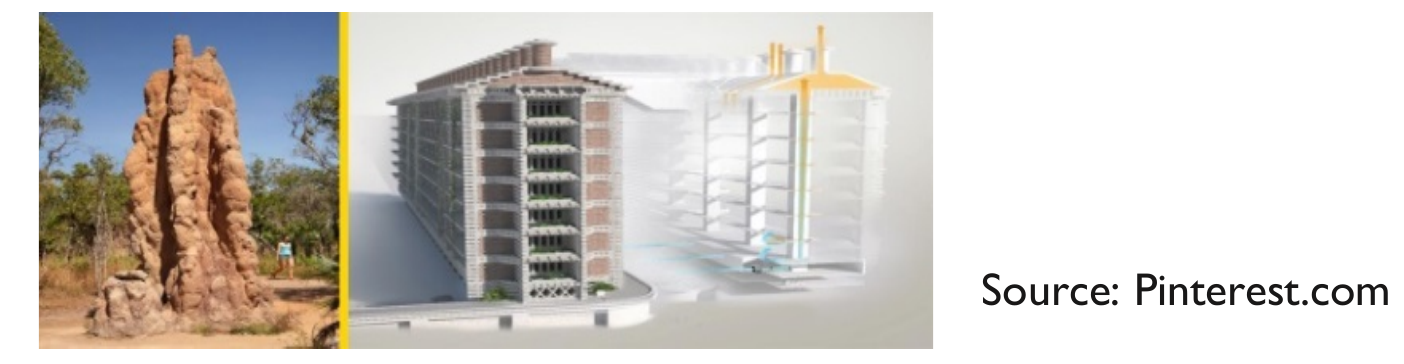
Anthill inspired Eastgate Building in Harare Zimbabwe
Source: Pinterest.com